
Nobody is drinking anymore. Younger generations aren't consuming alcohol willingly as others have in the past. Add to this, trade challenges are making it hard for distilleries to get bottles off the shelves.
Videos by Wide Open Country
Want more proof? (Pun intended.) According to the Kentucky Distillers' Association, warehouses are now holding a record 16.1 million barrels of bourbon. That number, reported in Oct. 2025, is the highest it's been since the repeal of Prohibition and a 27% increase from 2024.
All of this has led to one historic distillery halting the production of any new bourbon this year. We have the details below.
Jim Beam Has Stopped Production in 2026
Jim Beam is considered a household name in the Bourbon market. Owned by a U.S. subsidiary of Japan's Suntory Holdings, it's also one of the best-selling bourbons in the world. In 2023, consumers purchased around 17 million cases. It's also available in nearly any bar in more than 100 countries.
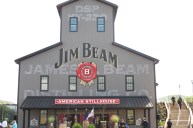
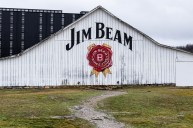
However, the company shared with CBS News last month that its main Clermont, Kentucky, distillery will stop production for a year. The reason is because of the company's "assessment of production levels to best meet consumer demand." During that time, it will take the opportunity to invest in site enhancements."
This particular distillery is responsible for most of the Jim Beam sold in America. In addition to its flagship bourbon, the other varieties made at this location include:
- Jim Beam Black
- Jim Beam Devil's Cut
- Jim Beam Double Oak
- Jim Beam Bonded
- Jim Beam Rye
- Jim Beam Honey
- Jim Beam Apple
- Jim Beam Maple
- Jim Beam Vanilla
- Jim Beam Kentucky Fire
- Jim Beam Signature Craft
- Jim Beam Distiller's Masterpiece
Can People Still Visit the Jim Beam Distillery?
While no new bourbon will be made at the main Jim Beam distillery, bottling, warehousing, and visitor operations will continue.
One of the company's other distilleries, the Fred B. Noe Craft Distillery, which is also located in Clermont, and the Booker Noe Distillery, which is in Boston, Kentucky, will remain open.
These locations produce smaller, experimental, and specialty batches of Jim Beam bourbon. The output from these distilleries is much smaller than that from the main site.
If you're looking to single-handedly get production back on track, just be careful out there and don't drink and drive.