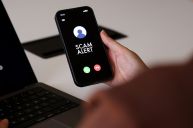

Scams are positively everywhere these days. Scammers will do anything, and I mean anything, to try and take things from you. Whether that be a promise of something cool, a threat - whatever gets you to pay.
And one college student had her love of music used to con her in a pretty heartbreaking way. According to cleveland.com, a Baldwin Wallace University student reported that she got scammed.
But, to be fair to her, things did look legit - there were no real warning signs to begin with. An email had come directly from her music instructor's account, saying their friend was giving away instruments to students.
And one of the items on offer was a signed Eric Clapton Martin guitar. The catch? She'd have to pay $250 in shipping. That sounds like a steal to me, right? Especially if it was "free".
So, she called the number on the email, and expressed her interest. The scammers asked she pay the shipping fee through a payment app. They also asked if she was interested in some other goodies, like a MacBook, an iPad, a camera, and even a drone.
I think that's when she realised things were a little sketchy. The fraudster, obviously seeing dollar signs, said she just needed to pay another $112 in shipping insurance. That's when she realized she was getting scammed.
Videos by Wide Open Country
How Do You Avoid Scammers In Your Daily Life?
This story should be a pretty good primer for you to ask yourself this question. And if you think you're pretty tech-savvy and aware of the tricks scammers do, just think of someone who might not be as aware. A parent, grandparent, that old neighbor down your road, anyone. The average person is less tech-savvy than you'd expect.
The FTC has given four key ways to avoid online scammers in your everyday life. The first two are to do with security - making sure your computer has an adequate security software installed, and making sure your cellphone has automatic updates enabled.
The third way is a little more complicated - multi-factor authentication. It usually involves installing an app on your phone, or a text, which will spit out codes you'll need to use when logging onto certain websites.
And the fourth way is recommended for everyone, even outside of avoiding scammers. Backing up your data is key to make sure everything you have on your computer or phone is safe and secured.