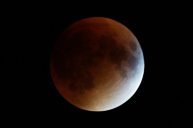
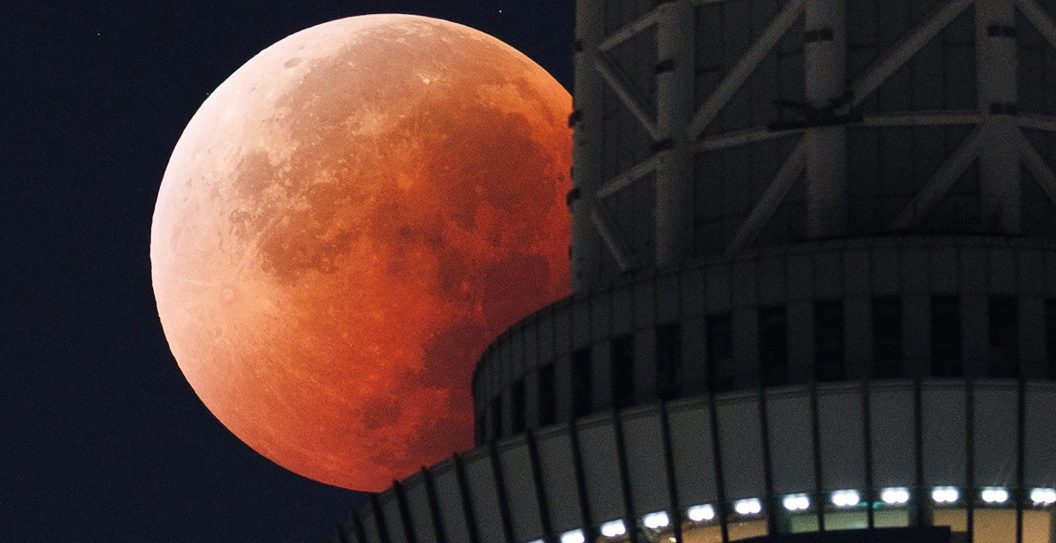
A "blood moon" sounds like something out of a 1950s creature feature about vampires and werewolves.
Videos by Wide Open Country
However, we assure you that you will be perfectly safe from any mythical beasts early tomorrow morning. A "blood moon" is a rare celestial event, changing the color of the heavenly body into a deep red.
According to The Guardian, this phenomenon won't happen again for another three years. If you want to know the best time to see it, then read on.
Why Does the Moon Turn Red?
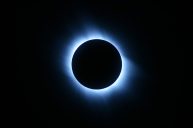
You're likely aware of a lunar eclipse. This occurs when our planet is aligned between the moon and the sun. The sun's light is blocked, obscuring the moon with the Earth's shadow.
However, there are some cases in which sunlight reaches the moon indirectly. When this happens, the moon takes on the color of a sunset or sunrise.
"Any light that does pass shines through our atmosphere and transforms the lunar surface into a deep, coppery red," says astrophysicist Dr. Brad Tucker of The Australian National University.
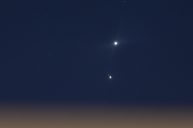
In addition to the blood moon, Jupiter can be seen high in the sky the morning, making this celestial event that much more spectacular.
When Can I See the Blood Moon?
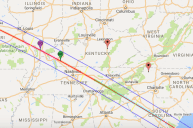
The blood moon can be seen early tomorrow morning, March 3. According to NASA, "Observers near the edge of the visibility region may see only part of the eclipse because, for them, the moon sets."
The website Time and Date says the best times to see the blood moon are:
- New York, Washington DC - starts 3:44am, ends about 6:30am
- Detroit - starts 3:44am, ends 7:06am
- New Orleans, Chicago - starts 2:44am, ends around 6:24am
- San Francisco, Los Angeles - starts 12:44am, ends around 6:23am
While the next total eclipse will be on New Year's Eve 2028, it won't be visible in the Americas. The next one will be visible in North American on June 2029.
Ancient civilizations believed that the blood moon could mean many things. As we've come to understand more about the heavens and astronomy, heavenly phenomena such as this are nothing to be scared of.
"[They are] a breathtaking reminder that we are living on a moving planet, in a dynamic solar system," says Allen. "Just one small, wonderful world, drifting through space."