The end times are here, it is time to start looting and living underground. Okay, perhaps I'm being dramatic.
Videos by Wide Open Country
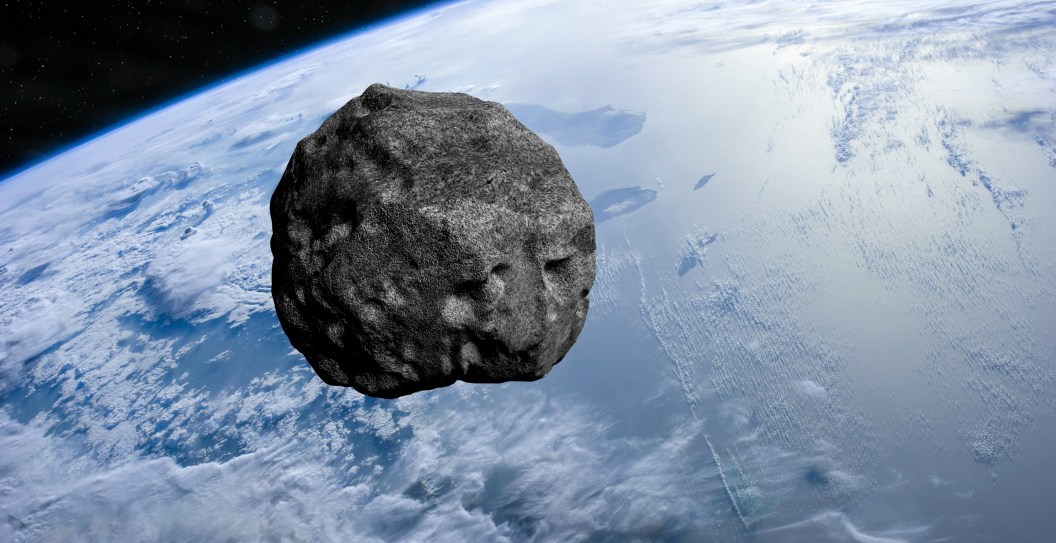
The world's most powerful telescope has been tracking an asteroid the size of a building. Originally, when it was first picked up, there was only a 1% chance that we would be hit by it. But, now, doomsayers are claiming that the possibilities have rocketed up. The chances now have doubled to 2.1%. Okay, so it's still a very small chance, but it's enough to have NASA making additional plans.
The large asteroid has initially been estimated to be around 180 feet in diameter. This is big enough to do some pretty serious damage, depending on where it landed. We have been hit by a similar-sized asteroid in the past, resulting in the Tunguska event.
This asteroid smashed into Siberia and blasted 80 million trees into chopsticks. Thankfully, Siberia is one of the least populated places on the earth. Despite being clocked between 3 and 50 megatons and obliterating around 2,150 km2 of land, only an estimated 3 people died. Few other places on earth would have been better for it to land. What are the chances?
However, if this new scary asteroid collides with Earth, I doubt very much we will be as lucky. Imagine 2,150 km2 destroyed in the middle of New York, or Moscow. The death toll would be in the millions.
1 in 42 Chance We Will Be Blasted By Massive Asteroid
Now, according to new studies, the 180-foot asteroid has a higher chance of colliding with Earth. It has been dubbed 2024 YR4 by imaginative scientists, which hardly makes it sound particularly exciting. Researchers estimate a 1 in 42 chance of the rock striking Earth.
In order to watch the progress of the asteroid, the use of the fantastically high-tech James Webb telescope has been brought on board. NASA will use the telescope to track the asteroid. They will use it to gauge just how big the space rock is, and how likely it is that we will be hit by it.
Speaking on the new observations, experts said "In general, the brighter the asteroid, the larger it is, but this relationship strongly depends on how reflective the asteroid's surface is. 2024 YR4 could be 40 m [130 feet] across and very reflective, or 90 m [295 feet] across and not very reflective." This information will be valuable to track the space rock and plan appropriate actions if needed.
However, we have a few years left to say our goodbyes. The asteroid isn't expected to smash us to little pieces until 2032. That gives you enough time to build your shelters, say your goodbyes, and hoard your tins of beans. Of course, the likelihood of the asteroid actually hitting is very very low — 2% versus 98%. But it's good to know that NASA is on top of things.