
A Louisiana girl died a day after celebrating her eighth birthday. Health officials believe she contracted a brain-eating amoeba after swimming in a lake in the northern part of the state.
Videos by Wide Open Country
The Amoeba Can Cause a Rare Brain Infection
As reported by the New York Post, Lillian Smart died on Saturday, Aug. 22, at a hospital in Ruston, Louisiana.
"The injuries to her brain were too severe for her little body to recover from," the family wrote in a statement posted on social media on Sunday. "Everyone did everything they could to keep her here. We are heartbroken and honestly do not know what to do next. How do we put one foot in front of the other without our girl?"
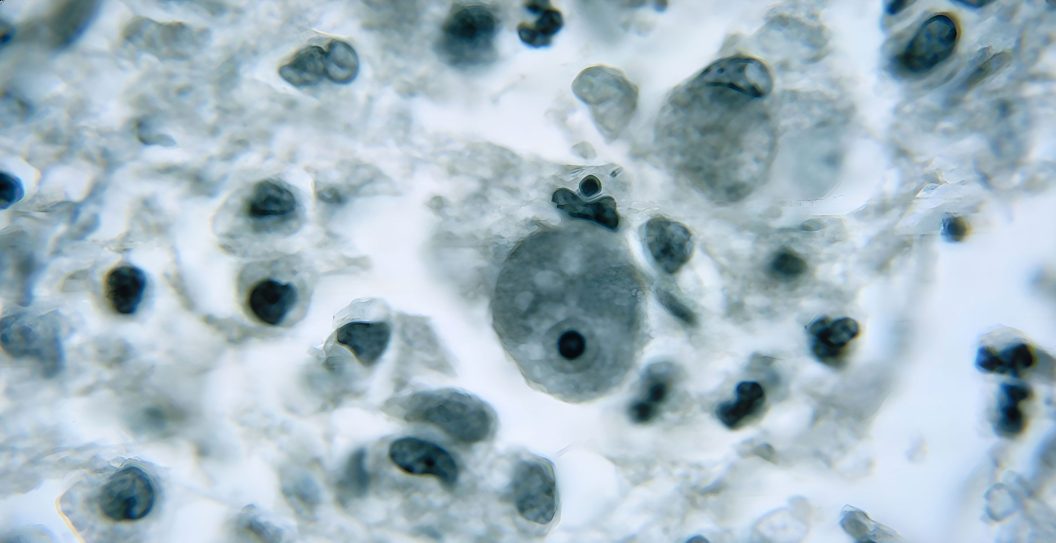
Smart's death follows the Louisiana Department of Health's announcement on Wednesday that a resident had been hospitalized after becoming infected with Naegleria fowleri. It is a microscopic amoeba that can cause a rare and often deadly brain infection called primary amoebic meningoencephalitis, or PAM.
Officials have not identified Smart as the patient in the announcement. However, her family shared on social media that she had been admitted to the pediatric care unit at a Ruston hospital. They also identified her illness as Naegleria fowleri.
What Is Primary Amoebic Meningoencephalitis?
PAM can develop in the human body when contaminated water enters the nose. The amoeba then travels to the brain. Symptoms, which typically appear five days after infection, begin with headache, fever, nausea, and vomiting. They then progress to a stiff neck, seizures, and coma. The disease can lead to death within a week or two.
People cannot be infected by swallowing contaminated water. Additionally, Naegleria fowleri is not found in saltwater or properly chlorinated swimming pools.
The Centers for Disease Control and Prevention (CDC) reported two cases of PAM nationwide last year. There have been 173 documented cases in the past 90 years, with 91% occurring in July and August.
The Louisiana Department of Health said in its statement that the patient likely contracted PAM while swimming in Lake Claiborne. It also said there have been three previous deaths associated with Naegleria fowleri since 2011.