On average, each household receives approximately 848 pieces of junk mail per year. Americans receive almost four million tons of junk mail every year, according to PostGhost.
Videos by Wide Open Country
Should you find a dryer sheet nestled in your mailbox, however, it's best to leave it untouched.
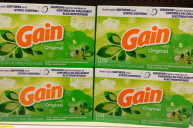
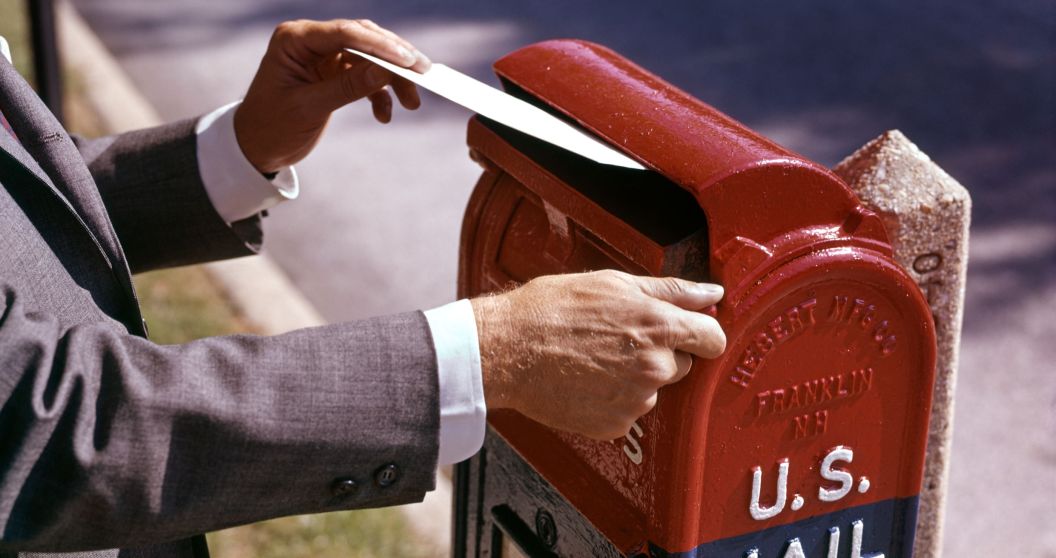
Mail carriers nationwide have been deliberately placing Bounce and Snuggle dryer sheets inside of mailboxes. The inclusion of dryer sheets when delivering mail extends far beyond a fresh aroma.
Instead, the dryer sheets are placed to deter wasps and other stinging insects from setting up shop within Americans' mailboxes.
Mailboxes are common hiding places for small insects, due to the shelter they provide from severe weather. Additionally, since mailboxes go largely unbothered for the majority of the day, insects tend to establish nests inside of them.
"Insects are always going to be looking for food, water, and harborage," Brandon Runyon, an entomologist with Swat Pest Management, told Realtor.com.
Mail Carriers Use Dryer Sheet Method to Combat Bugs
To prevent this, letter carriers adding dryer sheets while delivering mail has been a common practice for years.
The dryer sheet method stems from a 2010 study that tested Bounce's "Outdoor Fresh Scent" sheets' ability to repel fungus gnats.
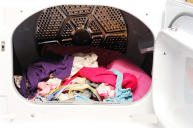
Runyon said the contents of dryer sheets help the laundry tool double as bug repellent. Dryer sheets contain linalool and beta-citronella, compounds that occur naturally in lavender, mint, and rose geranium, which organically keep insects at bay.
During the summer months, when bugs are the most active, this method is especially paramount.
Tens of thousands of wasps exist within North America. Although they spend more time hunting prey than pestering humans, it's still a wise idea to keep them away from your mailboxes and homes.
In addition to the dryer sheet method, Runyon listed other alternatives to repel stinging insects.
Lavender and mint can be planted near window boxes, garden sheds, and doorways to provide a repellent that doesn't dissolve after one wash cycle.
Setting traps in these designated areas can help, too.