
Stop me if you've heard this before, but another outbreak of a virus has occurred aboard a cruise ship.
Videos by Wide Open Country
For the third time since May, an Alaskan expedition ship has been struck with norovirus, according to health officials. This time, the Centers for Disease Control and Prevention reports that 18 of 62 passengers have fallen ill with a stomach bug, experiencing "cramping and vomiting."
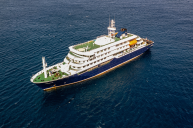
The outbreak was reported July 12 aboard the National Geographic Sea Bird. According to the CDC, the outbreak began two days after the vessel departed Sitka, a unified borough in southern Alaska.
Hoping to contain the outbreak, crew members have isolated sick passengers and increased "cleaning and disinfection procedures according to their outbreak prevention and response plan," officials said.
"VSP is remotely monitoring the situation. Including review of the ship's outbreak response and sanitation procedures," health officials said in a statement.
According to the VSP, the 152-foot-long ship run by Lindblad Expeditions has experienced a gastrointestinal illness outbreak three times since late May.
Several Cruise Ships Have Experienced Virus Outbreaks
Lindblad Expeditions is not the only company dealing with a rash of outbreaks.
According to the CDC, there have been eight outbreaks of viruses on cruise ships this year.
Princess Cruises and Lindblad Expeditions have accounted for six of those instances.
Earlier this month, more than 100 passengers and crew members aboard the Ruby Princess were infected with a stomach virus.
During its 20-day trek from San Francisco to Canada, 102 passengers and 23 crew members fell ill from norovirus while aboard the Ruby Princess.
The stomach virus is highly contagious. As noted by the CDC, the predominant symptoms among the infected on board were diarrhea and vomiting.
There were 3,032 passengers and 1,144 crew members on the Ruby Princess voyage, the CDC said.
CDC Details Virus Prevention Methods
Norovirus, often called a "stomach bug," is a contagious virus that causes vomiting and diarrhea.
The virus causes acute gastroenteritis, an inflammation of the stomach or intestines.
To help protect yourself from norovirus, the CDC released a list of preventive measures:
- Wash your hands well and often.
- Cook shellfish thoroughly and wash fruits and vegetables.
- Clean and disinfect contaminated surfaces.
- Wash laundry in hot water.
For those who are stricken with the virus, the CDC recommends staying isolated and resting for two days, or until the symptoms subside.