
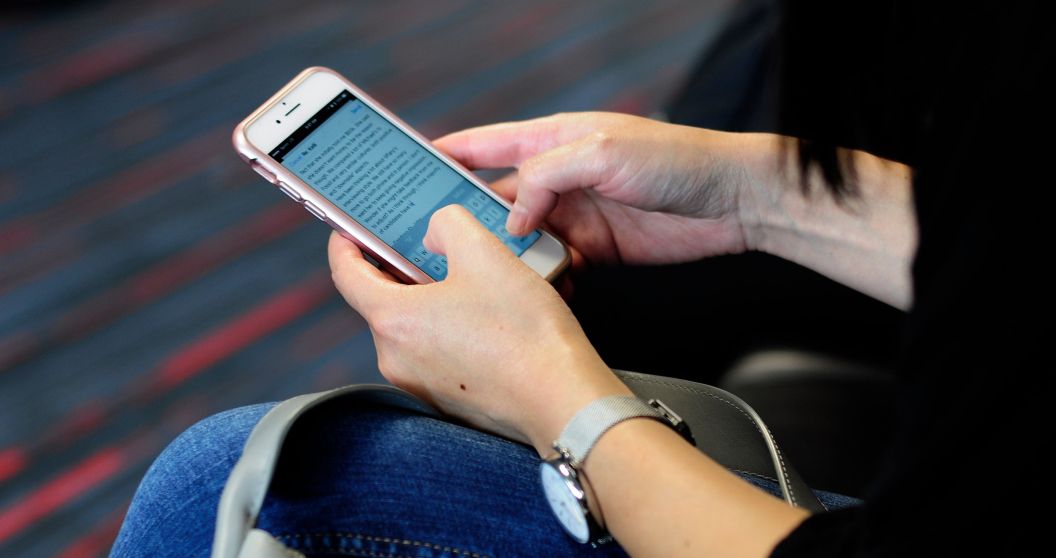
Due to the lithium batteries included in several modern-day models, cellphones pose an increased fire risk on flights. It's unlikely that someone's phone would overheat to the point of combustion, but it's possible.
Videos by Wide Open Country
During a flight bound for Las Vegas, passengers experienced the worst-case scenario firsthand. A cellphone caught fire during a British Airways flight and "scorched the inside of the cabin," according to authorities.
The Federal Aviation Administration said British Airways Flight 271 landed safely at Harry Reid International Airport in Las Vegas after the crew reported a cellphone fire on board.
Although the pilot did report an alert, the aircraft landed in Las Vegas on schedule and did not declare an emergency.
It is unclear which type of device began the fire. Nearly 100 battery fire incidents occurred in 2025, mostly involving battery packs and vape devices, according to FAA data.
Across the country, incidents involving lithium-ion batteries are surging.
The U.S. Consumer Product Safety Commission reported more than 25,000 incidents of fires or overheating related to lithium batteries over five years.
Lithium batteries carry special instructions in the Transportation Security Administration's What Can I Bring? guide.
For lithium batteries with more than 100 watt hours, passengers are instructed to carry them exclusively in carry-on luggage.
"Spare (uninstalled) lithium ion and lithium metal batteries, including power banks and cell phone battery charging cases, must be carried in carry-on baggage only," TSA wrote.
"With airline approval, passengers may also carry up to two spare larger lithium ion batteries (101-160 Wh) or lithium metal batteries (2-8 grams)."
In 2020, a University of Michigan research team shared nine ways to safely optimize lithium battery life.
Among the tips were avoiding leaving such devices in high-temperature areas, using fast charging only when necessary, reducing time at zero percent and avoiding mechanical damage.