
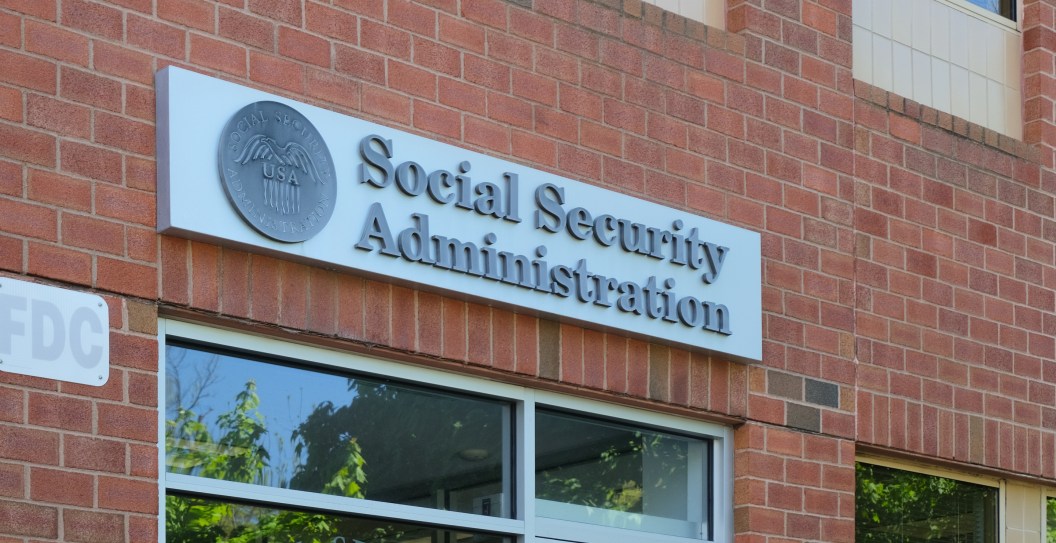
If you receive Social Security, you could getting a bigger payday next year.
Videos by Wide Open Country
The Average Social Security Check Could Be Going Up
As the New York Post reports, the Senior Citizens League estimates next year's Cost of Living Adjustment (COLA) will reach 3.5%. The group says that would be the highest in four years.
The COLA increase ensures check amounts keep pace with inflation and rising expenses. According to the Consumer Price Index (CPI), prices in August were up 3.4% compared to August 2025.
That could bring the average Social Security check to more than $2,000 for the 70 million Americans who rely on the government program. The Social Security Administration will confirm the 2027 COLA on Oct. 14 after the Bureau of Labor Statistics releases September's CPI.
The Senior Citizens League estimates the 2027 COLA could reach 3.5%. However, the final figure depends on last month's inflation numbers. A 3.5% increase could bring the average monthly Social Security check from $1940.08 to $2007.98. That's an increase of $67.90.
The Budgets of Senior Citizens Are Getting Smaller
The estimated 3.5% adjustment is above the 2.8% increase in 2026 and the 2.5% bump in 2025.
For the first time in its history, AARP has released an advance COLA forecast before it is officially announced. Rich Johnson, vice president for financial security at the AARP Public Policy Institute, said the early estimates give retirees and families extra time to revise their budgets as prices continue to rise.
A Nationwide Retirement Institute survey says three-quarters of Social Security recipients have adjusted their finances as inflation continues to increase. More than half have reported scaling back in discretionary purchases. Additionally, more than a third of recipients have lowered spending on essentials like groceries and prescriptions.
Next month also means a change in the payment schedule for Social Security recipients. Since Nov. 1 is on a Sunday, payments will go out on Oct. 30. This means no payments will be received in November. A similar adjustment occurs in January because of New Year's Day.