When you go to an eye clinic, all you really want is to be able to see things a little clearer. Whether it's new glasses, or some answers as to why you just can't see as straight as you used to, it's meant to be a nice and easy experience.
But for some New York City eye clinic patients, they got exactly the opposite. That's because, as reported by the Daily Mail, three patients ended up getting a fungal infection directly in their corneas.
For those who aren't aware, the cornea is like the 'shield' of the eye. It basically protects against any dirt or dust getting in there, making sure you can see properly.
And three New Yorkers ended up getting the gnarly infection following routine LASIK laser eye surgery. The name of the clinic hasn't been disclosed as of yet, but the CDC has confirmed that this shocking incident actually happened back in December 2024.
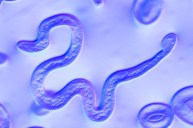
The patients ended up having their corneas infected with Purpureocillium lilacinum. That mold can typically be found in nature, in places like soil and forests, as well as ocean rock.
The CDC explained that the outbreak was likely because of "contaminated equipment" that the surgery was using.
Videos by Wide Open Country
All the Infected Patients Went Blind Because of the Fungal Infection
According to the department, each of the patients ended up experiencing vision loss following the fungal infections. They described each patient's illnesses.
Patient A (the first infected patient) endured pain and vision loss just two days after their surgery. Whilst Patients B and C faced the same symptoms three days after their surgeries.
The CDC hasn't confirmed whether the patients ended up getting their vision back. Although, that wasn't because of a lack of trying.
The patients were given several treatments in order to alleviate their symptoms. One of these were the antifungal meds vorioconazole and natamycin. Another patient had to endure a corneal transplant in an effort to get their vision back.
The agency added that this infection wasn't as uncommon as people thought. They said that it "should be considered as a potential cause of infection after eye surgery, even before definitive culture identification."
We hope that their eyesight ended up going back to normal.