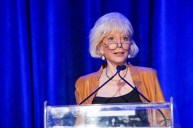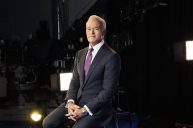

The news program 60 Minutes has been a weekly Sunday-night staple for CBS since 1968. Despite dramatic changes in news-gathering technology, viewers' tastes and preferences, and the television landscape in general, this program has been a steady favorite. Lately, however it has come under fire from within. Just in the past few days, 60 Minutes has had some notable staffers quite unceremoniously shown to the door. They include correspondents Cecilia Vega and Sharyn Alfonsi, plus the show's executive editor and executive producer.
Videos by Wide Open Country
In fact, the purge was so disturbing to longtime correspondent Scott Pelley that he reportedly said this in a heated staff meeting on Monday, per The New York Times. "She [Bari Weiss, CBS News editor-in-chief] is murdering 60 Minutes. She does not love this place. She's been brought into kill it, and she's been doing exactly that." The New York Times was reportedly going by a recording of that meeting. Pelley's remarks were directed at Nick Bilton, the program's newly-hired executive producer.
Former CBS Staffers Signed a Letter Sparked by the Uproar at '60 Minutes'
The situation at 60 Minutes has become very concerning. Some well-known individuals formerly employed by the network signed a letter advocating in its favor. They implored the CEO of Paramount Skydance [parent company of CBS], David Ellison, to safeguard its "editorial independence."
Among those who reportedly signed the letter were actress Glenn Close, former CBS Evening News anchor Dan Rather, and a noted previous 60 Minutes producer, Lowell Bergman. He spearheaded the program's devastating expose of the tobacco industry years ago. Per The Guardian, it was also reportedly signed by "many veterans of CBS and other networks."
The Letter Advocated for Protecting the Program's "Editorial Independence"
The letter said in part, per The Guardian, "We, the undersigned, urge you and your management team at CBS News to uphold the principle of editorial independence that has made 60 Minutes - in the words of the show's new executive producer - 'the most important television journalism brand this country has ever produced.'"
Furthermore, the letter added, ""Institutional trust is not transferred through ownership. 60 Minutes prospered and had impact because it operated under an implicit and sacred obligation to the public. Modernizing the show for new audiences and new delivery approaches is important - but not at the cost of editorial integrity. The wholesale dismissal of editorial management, without a public pledge to maintain the values, standards, and traditions of this program, puts the legacy of 60 Minutes in jeopardy."