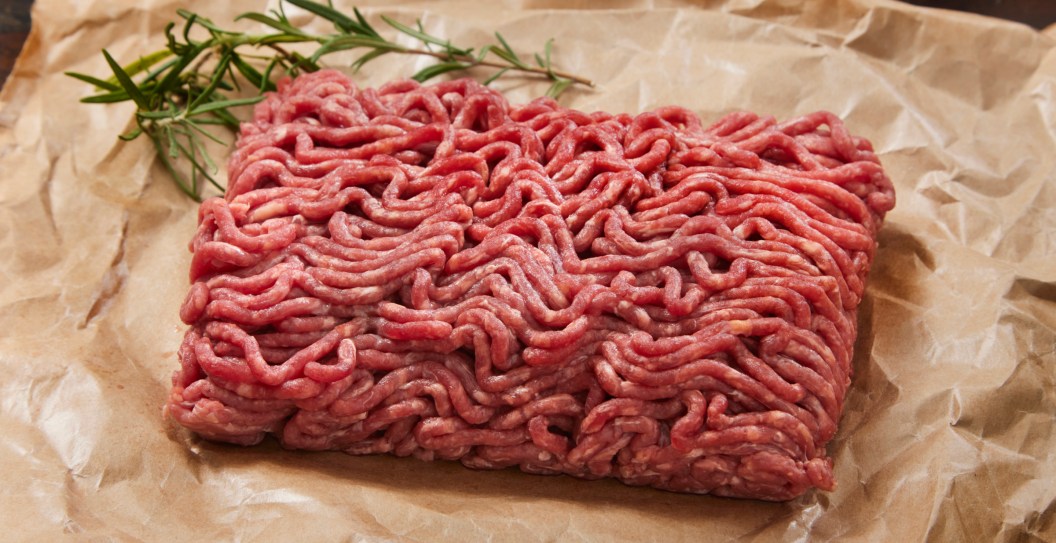
The U.S. Department of Agriculture (USDA) issued a Class I recall on more than 23,000 pounds of ground beef.
Videos by Wide Open Country
The product is being recalled due to a possible E. coli contamination. The USDA warns that it could cause "serious adverse health consequences or death" if consumed.
What Ground Beef Is Affected by the Recall?
The news was reported by Fox Business. The affected beef was produced on Jan. 14 by CS Beef Packers in Idaho. They were then shipped to distributors in California, Idaho, and Oregon.
The contaminated meat may have traveled farther east through distribution channels. Though the meat was shipped to only three states, all consumers in the United States should be aware of this recall and the potential risks it poses to families.
Officials state that the affected meat was intended for distribution to restaurants and cafeterias, not for sale at grocery stores. No confirmed reports of illness associated with the recalled product have occurred, per the USDA.
The items recalled include 10-pound cylindrical packages, also known as chubs, of "Beef, Course Ground, 73L," 10-pound chubs of "Fire River Farms Classic Beef Fine Ground 73L" and 10-pound chubs of "Fire River Farms Classic Beef Fine Ground 81L, with case codes 18601, 19583 and 19563."
All affected products have a "Use/Freeze By" date of Feb. 4, 2026, with time stamps between 07:03 and 08:32. The date and time stamps appear on the clear packaging of the meat products and on two stickers on the outside of the cardboard cases.
What Can Happen if I Eat the Affected Meat?
Restaurants and other food service locations should check their storage freezers. They should not serve any suspicious product. Customers should throw any product away or return it to the place of purchase.
If you're reading this while eating, you may want to stop here. It gets a little gross.
E. coli infection can cause diarrhea, often bloody. It can also lead to vomiting two to eight days after exposure. On average, it occurs three to four days after exposure.
Medical professionals typically diagnose an E. coli infection with a stool test. Treatment involves aggressive rehydration and other supportive care. Most of those affected recover within a week.
However, in rare cases, older adults, children under the age of 5, and those with weakened immune systems can develop hemolytic uremic syndrome (HUS), a type of kidney failure.
Beef should be cooked to an internal temperature of 160 degrees Fahrenheit to kill any harmful bacteria.