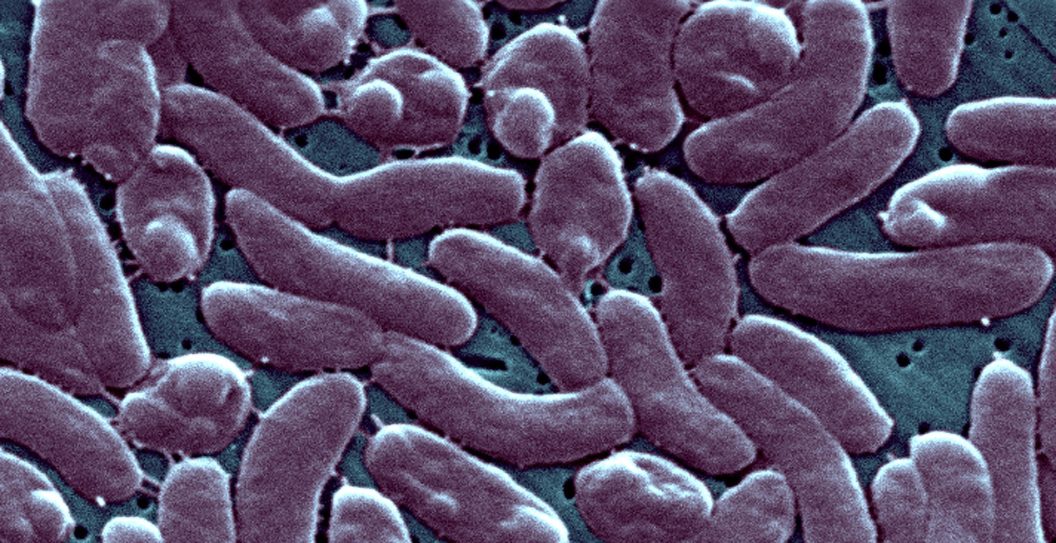
The state of Florida has confirmed its first death from Vibrio vulbificus, a flesh-eating bacteria.
Videos by Wide Open Country
The Florida Department of Health reported the death in June. It took place in Palm Beach County. The infected individual was between the ages of 80 and 84. No other information about the resident has been released.
There Have Been 11 Confirmed Cases of the Flash-Eating Bacteria in Florida
As reported by PEOPLE, health officials in Florida have reported that there have been 11 confirmed cases of Vibrio vulnificus throughout the state. Affected counties include Miami-Dade, Hillsborough, Lee, Palm Beach, Marion, Okaloosa, Polk, and St. Johns.
Last year, there were 33 cases and five deaths from the flesh-eating bacteria in Florida. Officials say the increase in infections is due to the impact of Hurricane Ian in 2022 and Hurricane Helene in 2024.
The Risk of Infection Is Highest In the Summer
Officials urge Florida residents to protect themselves as the risk of infection remains high between May and October.
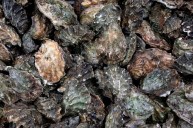
Vibrio vulnificus thrives in coastal waters. According to the Centers for Disease Control and Prevention (CDC), most people become sick from the flesh-eating bacteria after eating raw or undercooked shellfish, especially oysters. The bacteria will typically "concentrate" in the shellfish.
However, Vibrio vulnificus is found in salt water. An infection can occur if a swimmer has an open wound, a recent tattoo, or even a piecing.
Back in April, Dr. Christopher Gobler, an ecologist in the School of Marine and Atmospheric Sciences for Stony Brook University, said, "If someone's immunocompromised, or elderly and they have open wounds in summer, you may want to stay out of the water."
The symptoms of a Vibrio vulnificus infection can vary. If the bacteria are transmitted through the bloodstream, they may encounter "fever, chills, dangerously low blood pressure, and blistering skin lesions."
If the bacteria are ingested, the symptoms resemble food poisoning. This can include "watery diarrhea, often accompanied by stomach cramping, nausea, vomiting, and fever."
In some cases, an infection of Vibrio vulnificus can be treated with antibiotics. However, in some extreme instances, doctors may need to amputate a patient's appendages to remove infected tissue.
The CDC says that Vibrio vulnificus is fatal in 1 in 5 people. Some patients die within a day or two of experiencing symptoms.